
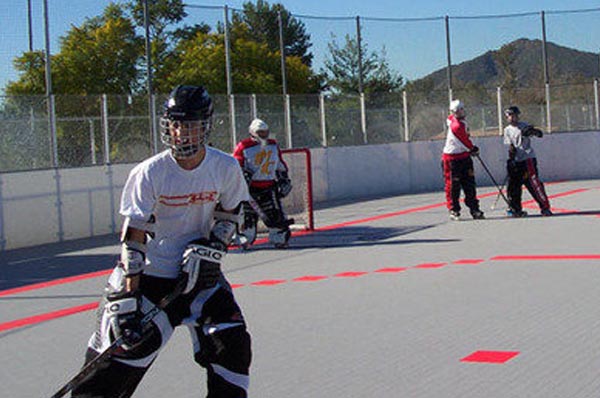
The main benefits of youth hockey are strong legs and balance, quick thinking, teamwork, and the grit that comes from falling on ice and getting back up. Starting is simple. Kids ages 4 to 9 can try the sport free at a USA Hockey Try Hockey For Free event, where most hosts lend gear, then build skating skills and join a beginner program.
Key Takeaways
- Hockey builds balance, strength and split second decision making, and active practices help kids reach the CDC’s 60 minutes of daily activity for ages 6 to 17.
- Try Hockey For Free days are open to ages 4 to 9 with no membership needed. The 2026-27 national dates are October 3, 2026 and February 27, 2027.
- USA Hockey groups kids by birth year. For 8U, it recommends cross-ice games, 7 to 9 players per team and no full-time goalie.
- You do not have to buy gear before the first skate. The NHL and NHLPA Learn to Play program includes a full set for first-time players to keep.
- Stickhandling and shooting at home add puck touches between ice sessions.
What Are the Benefits of Youth Hockey?
Hockey asks a child to skate, control a puck, read the play and support teammates all at once. Here is what kids gain.
Balance, Strength and Fitness
Skating is the foundation, and every stride works the legs, hips and core. The balance kids build on their edges helps in other sports too.
Practices also keep kids moving. The CDC recommends 60 minutes or more of moderate to vigorous activity every day for ages 6 to 17. The agency says regular activity builds muscle and endurance, strengthens bones, and improves attention and memory.
Quick Decisions Under Pressure
The puck changes direction constantly, so players have a split second to skate, pass or shoot. USA Hockey lists decision making, strategy and concentration among the skills the game teaches.
Teamwork and Lifelong Friends
Players rotate on and off the ice in short shifts, so every child learns to trust the teammate who jumps on next. Locker rooms, carpools and weekend tournaments do the rest.
USA Hockey’s parent handbook shares a story from Patrick Kane: one of his best friends today is a goalie he started playing with at age 7.
Resilience You Can Watch Grow
Every beginner falls, often. Getting up and trying again is built into every practice, and USA Hockey lists persistence among the lessons the sport teaches.
A Community Around the Rink
Local youth hockey associations run almost entirely on volunteers. USA Hockey encourages parents to help as coaches, team managers or off-ice officials, even if they never played.
Why Kids Should Play Hockey: The Sport Keeps Growing
More families are discovering the benefits of youth hockey. USA Hockey registered 586,002 players in the 2025-26 season, and its parent handbook reports substantial growth over the past decade.
| Group | 2014-15 | 2024-25 | Change |
|---|---|---|---|
| All players | 533,172 | 577,864 | Up 8% |
| 8U players | 105,925 | 126,209 | Up 19% |
| Female players | 69,744 | 98,394 | Up 41% |
The biggest jumps came at 8U and among girls, so a new player will find plenty of kids at the same stage.
Youth hockey is not only a northern sport. USA Hockey’s 34 affiliates include associations in Texas, Florida, Arizona and California, and indoor rinks mean practices do not get rained out.
How to Get Kids Into Hockey, Step by Step
Most families follow a simple path.
- Get comfortable on skates. Public skating sessions are a low pressure start. Learn to Skate USA teaches a curriculum endorsed by USA Hockey, U.S. Figure Skating and US Speedskating at roughly 1,000 locations.
- Go to a Try Hockey For Free day. Try Hockey For Free events are for ages 4 to 9, need no USA Hockey membership, and welcome kids who have never skated. USA Hockey says the free days span more than 800 rinks a year, and most hosts have loaner gear.
- Join a beginner program. The NHL and NHLPA Learn to Play program takes first-time players ages 4 to 9 for about 4 to 8 weekly lessons, for a fee that varies by rink. Its equipment guide says each child is fitted with head-to-toe gear to keep.
- Find your local association. USA Hockey’s zip code search lists nearby programs. Membership covers one season, from September 1 to August 31.
- Practice a little at home. A stick, a ball and a net in the driveway turn spare minutes into skill work.
| Program | Ages | Cost | What you get |
|---|---|---|---|
| Try Hockey For Free | 4 to 9 | Free | A session with certified coaches; loaner gear at most rinks |
| NHL and NHLPA Learn to Play | 4 to 9, first-time players | Varies by rink | 4 to 8 weekly lessons, gear to keep, USA Hockey registration |
| Learn to Skate USA | Kids and adults | Varies by program | Skating fundamentals that carry into hockey |
| Local 6U or 8U team | By birth year | Set by the association | A season of practices and cross-ice games |
Tip: Learn to Play strongly encourages a learn to skate course first and lists baseline skating skills as necessary. For the first session, arrive at least 60 minutes early so your child has time to check in and get dressed.
Youth Hockey for Beginners: Age Groups and What 8U Looks Like
USA Hockey places players by birth year, not school grade. The birth years below come from its 2026-27 age classification chart, and the practice guidelines come from its 2025-26 parent handbook.
| Division | Born in (age) | USA Hockey guideline |
|---|---|---|
| 6U | 2020 or later (6 and under) | Learn to skate basics, then a 6U curriculum |
| 8U | 2018 and 2019 (7 and 8) | 50 to 60 ice sessions, 7 to 9 players, cross-ice games |
| 10U | 2016 and 2017 (9 and 10) | 95 to 100 sessions, 10 to 12 skaters, one goalie |
| 12U | 2014 and 2015 (11 and 12) | About 12 skaters, two goalies, more ice time |
| 14U | 2012 and 2013 (13 and 14) | 160 sessions, 16 skaters, two goalies |
These guidelines come from the American Development Model, which USA Hockey launched in 2009. At 8U the focus is fun and fundamentals, not wins and losses.
Practices run in stations, and games are played cross-ice so every child gets more puck touches. Several teams share one sheet of ice, and the handbook encourages 8U players to try other sports too.
What Gear Does a Beginner Need?
Hockey uses a lot of equipment, but you can wait to buy it. Try Hockey hosts usually lend gear, and Learn to Play includes a full set.
- Helmet and cage. Learn to Play says both must be approved by the Hockey Equipment Certification Council (HECC).
- Neck guard. USA Hockey requires neck laceration protectors for youth and girls players at every game and practice.
- Mouth guard and athletic supporter. Learn to Play recommends buying both, along with a neck guard.
- Pads. Shoulder pads, elbow pads, gloves, shin pads, and padded pants that protect the hips, thighs and lower spine.
- Skates and stick. Lace skates snug so ankles do not bend. With skates on, an upright stick should reach about the chin and not fall below the collarbone.
To save money, USA Hockey suggests used gear that still fits safely and asking your association for help. For ice fees and travel, read our guide to overcoming youth hockey’s biggest challenges.
How to Help Your Child Improve Between Ice Sessions
Ice time is limited, but stickhandling and shooting can happen anywhere. In USA Hockey’s handbook, NHL All-Star Seth Jones recalls a hockey net beside the driveway hoop that got more use than the hoop.
Even a small backyard space works, so kids keep building skills between ice sessions.
- Sport tile court. Modular sport tiles create a smooth, even surface for street hockey, passing and shooting.
- Backyard ice. In cold regions, you can build a backyard ice rink and put real skating a few steps from the back door.
See what a backyard hockey rink can look like, or browse every sport we build courts for.
Tip: Keep home practice short and fun. USA Hockey’s parent playbook says to let kids be kids and to celebrate effort, not just results.
Frequently Asked Questions About Youth Hockey
What age should kids start playing hockey?
Many kids start around age 4. Try Hockey For Free and the NHL and NHLPA Learn to Play program are both built for ages 4 to 9, and USA Hockey notes that learn to skate sessions often mix kids ages 4 to 10. Older kids can still start. Ask your local association about entry-level teams in your child’s birth year division.
Does my child need to know how to skate before trying hockey?
Not for a first try. Try Hockey For Free welcomes kids with no skating or hockey experience, and certified coaches work with every ability level. Learn to Play expects more. It strongly encourages a learn to skate course and lists baseline skating skills as necessary. A few public skating sessions will help your child feel steadier.
Is hockey a good sport for girls?
Yes, and participation keeps climbing. USA Hockey counted 98,394 female players in 2024-25, up 41% from a decade earlier. Its age chart lists girls teams by birth year from 6U through 19U. A 2014 American Academy of Pediatrics policy statement notes that female ice hockey does not allow body checking.
How often do youth hockey players practice?
USA Hockey recommends 50 to 60 ice sessions per season at 8U, built around station practices and cross-ice games. At 10U the guideline rises to 95 to 100 sessions, including 75 to 80 practices and 20 to 25 game days. The handbook also encourages 8U players to stay active in other sports during the year.
Give Your Young Player a Place to Practice at Home
My Backyard Sports designs and builds ice and multi-sport hockey rinks and sport tile courts for families in New Jersey, New York, Connecticut, Austin and Houston. Tell us about your yard, and our team will measure the space and recommend a layout.