
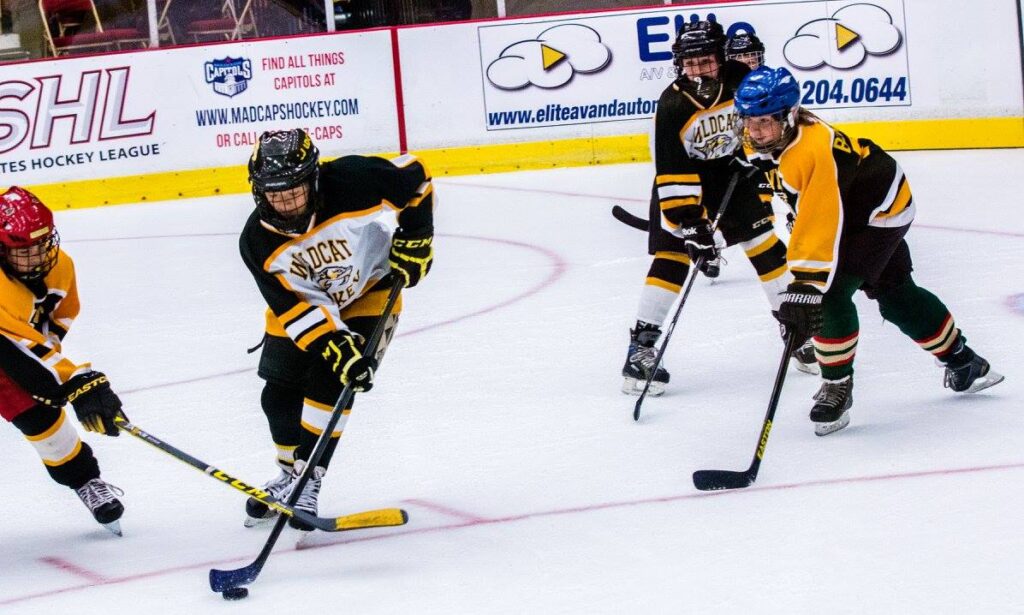
The biggest youth hockey challenges are cost, scarce ice time, weekend travel, early specialization and burnout, body checking safety, and keeping grades up. Each has a practical fix: share ice, buy used gear, keep a second sport into the teens, learn the checking rules by age and add practice at home.
Key Takeaways
- Ice hockey was the most expensive of 21 sports in a 2019 Aspen Institute survey, at $2,583 a year on average.
- USA Hockey says 36 squirt-age players on one sheet develop as well as 14, and fuller ice lowers everyone’s cost.
- A sports medicine consensus ties specializing before age 12 to more burnout and dropout.
- USA Hockey allows body checking only from 14U (ages 13 and 14) and never in girls’ hockey.
- Stickhandling and shooting at home add skill reps without adding to the ice bill.
What Are the Biggest Youth Hockey Challenges?
Most hockey families hit the same six problems.
| Challenge | What it looks like | Practical fix |
|---|---|---|
| Cost | Fees, gear, ice and travel stack up every season | Start in a house league, buy used gear, set a yearly budget |
| Ice time | Practices at dawn or late on school nights | Choose programs that share ice; add home practice |
| Travel | Long weekend drives and hotel nights | Carpool and pick a level that fits your calendar |
| Burnout | A child who now dreads the rink | Play other sports until the early teens; protect free play |
| Body checking | Injury worries as players reach 14U | Know the age rules; ask about non-checking teams |
| School | Late games and tired mornings | Plan homework around the week’s ice schedule |
New to hockey? Start with our look at why youth hockey is worth it for kids.
The Cost of Youth Hockey: Where the Money Goes
Hockey fees swing widely by town, rink and level, so there is no single national price. The best hockey benchmark is a 2019 Aspen Institute Project Play survey. Ice hockey families spent an average of $2,583 a year, the most of 21 sports and nearly four times the $693 average across all sports.
The Aspen Institute’s fall 2024 parent survey of 1,848 parents shows where the money goes across all sports.
| Expense | Average per year |
|---|---|
| Travel and lodging | $278 |
| Team registrations | $197 |
| Lessons and instruction | $183 |
| Equipment and uniforms | $165 |
| Camps or athlete schools | $148 |
| Other expenses | $43 |
| Average total | $1,016 |
Those averages blend cheap and costly sports, so budget above them for hockey, which adds rented ice and a full set of protective gear. Aspen also reports youth sports costs are up 46% since 2019.
How to Cut Hockey Costs Without Cutting Development
- Start in a house league. Local rec hockey keeps fees and driving low while your child decides whether they love the game.
- Buy skates and pads used. Kids outgrow gear fast, so swap sales and used gear stores stretch a budget. Sell outgrown gear the same way.
- Ask about travel first. Travel and lodging was the largest line item in 2024, so learn a team’s tournament plans before you sign.
Ice Time for Youth Hockey: Why It Is Scarce and How to Get More
Rink ice is the scarcest resource in youth hockey. Youth teams, figure skaters, school programs and adult leagues all compete for the same sheets, so practices often land before school or late at night.
USA Hockey’s American Development Model parent FAQ offers one fix. It calls 14 squirt-age players on the ice inefficient and says they develop no better than 36 together. More kids per sheet also lowers the cost for everyone.
- Favor cross-ice and station practices. Splitting the sheet lets several small groups work at once.
- Use stick and puck sessions. Many rinks run open sessions where kids can skate and shoot outside team practice.
- Move skill work off the ice. Stickhandling, passing and shooting need a smooth, hard surface and a net.
Some families bring the rink home. Our overview of ways to bring hockey to your own backyard compares seasonal ice, refrigerated rinks and year-round tile courts.
How to Handle Travel, Late Games and School
Travel eats budgets and weekends alike. A game two hours away turns one hour of hockey into most of a Saturday. Count the cost in hours as well as dollars before moving up a level.
- Carpool with teammates. Splitting drives saves fuel and gives each family some weekends back.
- Build homework around ice times. Use early mornings and car rides for reading so late practices do not mean late nights.
- Guard sleep on school nights. If late slots keep cutting into sleep, talk to the coach or find a program with earlier ice.
Youth Hockey Burnout and Early Specialization
Burnout rarely looks dramatic. It looks like a kid who used to beg to go to the rink and now drags the bag to the car.
The same 2019 Aspen survey found the average child plays a sport for less than three years, quitting by age 11. The most common reason was that the sport stopped being fun. In Aspen’s 2024 survey, more than half of parents said they feel some or a lot of pressure to have their child specialize.
The AOSSM Early Sport Specialization Consensus Statement defines early specialization as intense, year-round training in one sport by a child around seventh grade or younger. It links specializing before age 12 to more burnout and dropout. It also found no evidence that early specialization is needed for elite success in most sports.
| Age | Guidance |
|---|---|
| Younger than about 13 | Sample several sports and get plenty of free play |
| Around 13 | Child can choose to specialize or keep playing for fun |
| Around 16 | Ready for highly specialized training in one sport |
| Any age | Watch closely if weekly training hours exceed the child’s age |
- Take a real off-season. Spring and summer sports give the body and mind a break from hockey.
- Protect free play. Pickup games at home let kids try moves with no coach watching.
- Let your child set the goals. Ask what they want from the season before you plan it.
Tip: The same consensus cites a German study in which 88% of Olympians played more than one sport as children. A second sport is not a detour from hockey success.
Body Checking Rules and Safety at Each Age
Under USA Hockey’s 2025 to 2029 playing rules, body checking is banned at 12U and younger and in all girls’ and women’s hockey. It becomes legal at 14U, the level long called Bantam, for players ages 13 and 14.
That line moved in 2011, when USA Hockey raised the checking age from Pee Wee (ages 11 and 12) to Bantam. Local associations may still ban checking at any level.
A 2014 American Academy of Pediatrics policy statement went further. It tied body checking in boys’ youth hockey to two to three times the risk of injury, severe injury and concussion. It recommended more non-checking programs and checking only at elite levels, starting no earlier than age 15.
- Ask about non-checking teams. USA Hockey encourages non-checking options in recreational play, so ask what your association runs.
- Check the helmet sticker. Youth players need an HECC certified helmet and face mask. An expired sticker date voids a helmet’s certification, so check used helmets before you buy.
- Remove a player with concussion signs. USA Hockey’s concussion protocol bars a same-day return and requires written clearance from a qualified health care provider.
Practice at Home: The Cheapest Extra Ice You Can Add
Most skill work does not need ice. USA Hockey offers dryland (off-ice) stickhandling videos in its Mobile Coach app. Reps at home free up paid team ice for skating and team play.
| Option | Best for | Trade-off |
|---|---|---|
| Driveway or garage floor | Stickhandling with a ball | Rough surfaces wear sticks and balls |
| Sport tile court | Year-round stickhandling, shooting and dek hockey | Needs a flat, well-built base |
| Backyard ice rink | Real skating in winter | Depends on cold weather and regular flooding |
A modular sport tile surface suits many families best. It can carry hockey lines beside basketball or pickleball lines, so the whole household uses it.
If you want real ice, read our step by step guide to building a backyard ice rink before the first freeze.
Frequently Asked Questions About Youth Hockey Challenges
How much does a season of youth hockey cost?
It depends on level and region. In Aspen Institute’s 2019 survey, ice hockey families spent an average of $2,583 a year, the most of 21 sports. Aspen says youth sports costs overall have risen 46% since then. Travel and lodging was the biggest expense in its 2024 survey, so travel teams cost more.
At what age is body checking allowed in youth hockey?
Under USA Hockey’s 2025 to 2029 rules, body checking starts at 14U, formerly called Bantam, which covers ages 13 and 14. It is banned at 12U and younger and in all girls’ and women’s hockey. A 2014 American Academy of Pediatrics policy statement recommended waiting until at least 15 and limiting checking to elite play.
How do you prevent burnout in youth hockey?
Make hockey one part of a varied childhood. The AOSSM consensus suggests children choose whether to specialize around age 13, and it flags weekly training hours that exceed a child’s age. Take a real off-season, play other sports and ask your child what they enjoy about the game.
How can kids get better at hockey without more ice time?
Work on hands and shooting at home. Stickhandling, passing and shooting need only a smooth surface, a stick, pucks or balls and a net. A tile court gives daily reps all year, and a backyard rink adds real skating when winters are cold enough.
Build a Home Hockey Practice Space
My Backyard Sports designs and builds hockey rinks, sport tile courts and multi-sport surfaces in New Jersey, New York, Connecticut, Austin and Houston. We measure your yard and recommend a layout that fits your player and your space.