
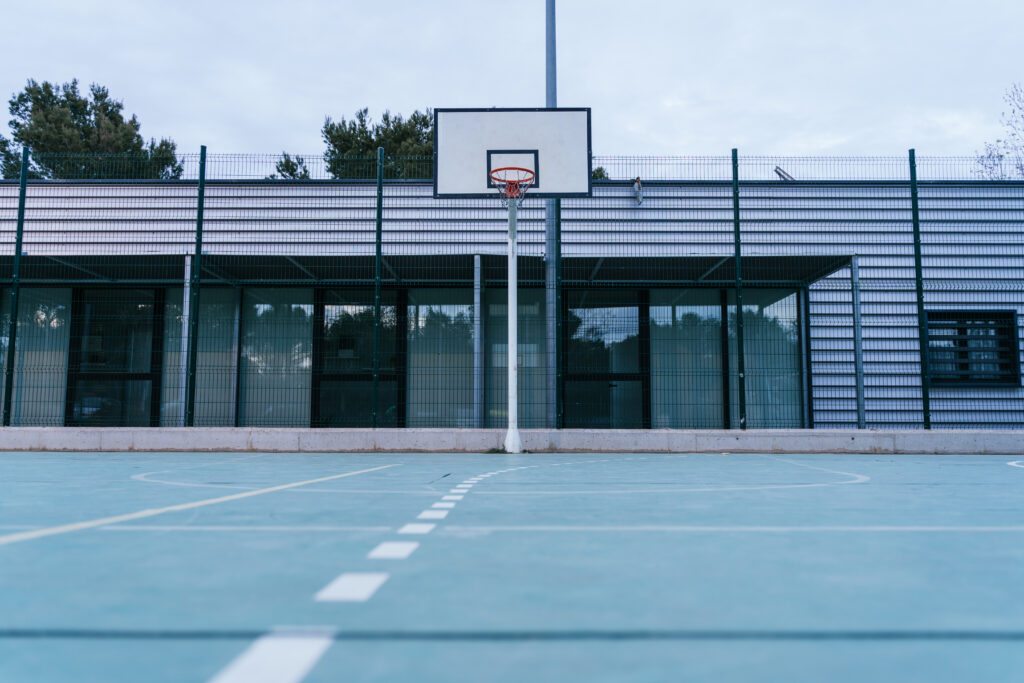
Does a sport court add value to a home? It can, but not by a fixed percentage. A permitted, well-drained court that fits the lot and suits local buyers makes a house more appealing and easier to market. A cracked slab that eats the whole yard, or one built without approval, can work against you at sale time.
Key Takeaways
- There is no standard percentage. What a court adds depends on local buyers and recent sales, not on what you paid.
- The family buyer pool is shrinking: only 24% of recent home buyers had children under 18 at home, a record low.
- Pickleball is widening the market. Zillow’s 2026 Home Trends Report found pickleball courts in 25% more listings.
- Permits, good drainage, a sensible footprint and a clean surface help. Unpermitted work, setback problems and neglect hurt.
- Build first for how your family will use the court, and treat resale appeal as the bonus.
Does a Sport Court Add Value to a Home? The Honest Answer
A court adds value when buyers in your market want one and the court is in good shape. It adds little when nearby homes have nothing similar or buyers see it as a repair project.
Value is not the same as cost. Buyers pay what a feature is worth to them, not what you spent on it. Appraisers also lean on recent sales of similar homes, so do not expect your price to rise by the full build cost.
So the same court can be a plus on one street and neutral on another. For how appraisers treat a court and which records help, read our guide to sport court property valuation.
Which Buyers Pay More for a Backyard Court?
A court never raises value on its own. It raises value for specific buyers, so the real question is how many of them shop in your area.
Families With Kids and Teens
Families with children are the most obvious court buyers, but there are fewer of them. The National Association of Realtors 2025 buyer profile found just 24% of buyers had children under 18 at home, an all-time low.
The same report put the median age of repeat buyers at 62 and first-time buyers at 40. A court that only works for a teenager’s jump shot speaks to a smaller group than it once did.
Pickleball Players of Every Age
Pickleball draws buyers who might never shoot a basketball. The Sports and Fitness Industry Association counted 24.3 million American players in 2025, up from 4.2 million in 2020.
Listings reflect the shift. Zillow’s 2026 Home Trends Report found pickleball court mentions up 25%, with batting cages up 18%.
What About a Backyard Basketball Court?
A backyard basketball court keeps its appeal best when the same slab also carries pickleball lines or room for other games. One surface then works for parents, kids, teens and older players.
Buyers Where Courts Are Common
Where large lots and outdoor amenities are normal, a court helps a house keep pace with its neighbors. Where no nearby home has one, buyers may see it as one owner’s hobby rather than a feature they would pay for.
What Helps and What Hurts Sport Court Property Value
Most of the difference comes down to a few details buyers notice in the first walk through the yard.
| Factor | Helps value | Hurts value |
|---|---|---|
| Permits and zoning | Approved, on file, meets setbacks | Built without approval or over a setback |
| Drainage | Sheds water after rain | Puddles that stain and linger |
| Footprint | Leaves lawn and garden space | Covers most of the backyard |
| Sports served | Multi-use lines, removable nets | One sport few buyers play |
| Surface | Even color, crisp lines | Cracks, fading, peeling coating |
| Hoop | Anchored in-ground system | Rusty or wobbly portable base |
| Neighbors | Screened with plantings, quiet setup | Glare or noise that draws complaints |
Footprint matters most on smaller lots. A 30 by 30 foot half court covers 900 square feet, while a full multi-sport court runs 3,100 to 4,700 square feet. On a modest lot, the bigger option can leave the next owner almost no lawn.
Condition is the other big one. A court that looks tired signals a bill to the buyer, even if the base underneath is solid.
Tip: Before you list, clean the court, have small cracks filled and touch up faded lines. Small fixes make a court read as an amenity, not a chore.
Backyard Sport Court Cost Compared With What It Returns
The cost side is easier to pin down than the payoff. These national ranges come from HomeGuide’s sport court cost guide, which bases its prices on contractor estimates. The pickleball row comes from HomeGuide’s newer pickleball court cost guide.
| Court type | Size | Installed cost |
|---|---|---|
| Basketball half court | 30 by 30 ft (900 sq ft) | $3,600 to $14,400 |
| Multi-sport half court | 900 to 2,100 sq ft | $3,600 to $35,700 |
| Pickleball pad | 30 by 60 ft (1,800 sq ft) | $20,000 to $50,000 |
| Multi-sport full court | 3,100 to 4,700 sq ft | $12,400 to $80,000 |
| Tennis court | 60 by 120 ft (7,200 sq ft) | $40,000 to $100,000 |
Upkeep counts too. HomeGuide says acrylic hard courts typically need resurfacing every 4 to 8 years, and a sport court can last 15 to 25 years with proper care.
A full tennis court is the hardest to justify on resale alone. It costs the most, uses the most land and serves one main sport.
Prices vary by region and site. For figures closer to northern New Jersey, see our Bergen County backyard sport court cost guide.
Permits, Zoning and Disclosure: What Buyers Check
Buyers and their attorneys often read the paperwork closely. An unapproved court can turn a selling point into a negotiation.
The Seller’s Property Condition Disclosure Statement published by New Jersey’s Division of Consumer Affairs asks about zoning violations, encroachments and setback violations. It also asks about drainage or flood problems. A court poured too close to a lot line, or one that causes drainage trouble, can end up on that form.
Local rules can be strict. In Cherry Hill, NJ, a private basketball or tennis court needs a zoning permit, counts toward the lot’s impervious surface limit and needs a landscaped buffer along the side and rear lines. The township allows one such court per lot and bars lighting on it.
Rules differ from town to town, so check before you design. Our article on when you need a permit for a backyard sports facility covers the usual questions.
How to Build a Court That Helps When You Sell
If you want the answer to “does a sport court add value to a home” to be yes on the day you list, build with the next owner in mind.
- Confirm zoning, setbacks, coverage limits and any HOA rules before you choose a size.
- Size the court to the yard and leave usable lawn around it.
- Plan multi-use lines, such as basketball plus pickleball, so more buyers see themselves playing.
- Build a solid base with proper slope so water drains off the court and away from neighbors.
- Choose a surface you can keep clean, such as an acrylic coating or modular sport tiles.
- Anchor the hoop in the ground instead of relying on a weighted portable base.
- Screen the court with plantings and keep lights and noise within local rules.
- Keep permits, plans and receipts in one folder for your listing agent.
Our own crews handle base work, surfacing, hoops and line painting, so the same team builds your court from the ground up. See finished projects in our sport court gallery or explore our residential sport courts.
Frequently Asked Questions About Sport Courts and Home Value
How much does a sport court raise home value?
There is no standard national percentage. HomeGuide cites a $10,000 to $20,000 increase for a quality court that complements the landscaping, but it does not publish the sales data behind that range, so treat it as a rough signal. In practice, an appraiser compares recent local sales, and the result depends on buyer demand in your area and the court’s condition.
Does a pickleball court add value to a home?
It is one of the stronger bets right now. Zillow’s 2026 Home Trends Report found pickleball courts in 25% more listings, and SFIA counted 24.3 million U.S. players in 2025. A 30 by 60 foot pad also needs a quarter of the space of a tennis court. Adding pickleball lines to a basketball slab widens appeal without a second court.
Is a backyard basketball court good for real estate value?
It helps most in family neighborhoods and on lots with room to spare. A 30 by 30 foot half court uses about 900 square feet, and an in-ground hoop reads as a finished amenity. With fewer buyers bringing children, adding pickleball or other game lines keeps the court useful to more of the people touring your home.
Should I remove an old sport court before selling?
Repair often beats removal when the base is sound. HomeGuide lists resurfacing at $1 to $3 per square foot for asphalt and $3 to $7 for concrete, compared with $4 to $17 per square foot for a new installed court. If the slab is badly cracked, drains poorly or was built without approval, get a builder’s assessment and talk with your agent before you list.
Is it worth building a sport court right before you sell?
Rarely, if resale is the only reason. HomeGuide’s sample schedule runs 4 to 6 weeks from planning to finished court, with one week set aside for permits, and nothing guarantees buyers will pay back the full cost. If you are selling soon, spend on repairs buyers will notice instead.
Plan a Court That Works Now and at Resale
We measure your space, recommend a layout and build it with our own crews in New Jersey, New York, Connecticut, Austin and Houston. Tell us about your yard and we will help you size a court your family will use and your lot can comfortably hold.